IoT Device Identity and Certificate Management at Fleet Scale
SocketXP's built-in PKI CA issues unique X.509 certificates to every IoT device and operator in your fleet. Mutual TLS on every tunnel. Automated certificate renewal. Per-device revocation with zero fleet-wide impact. No separate PKI infrastructure required.












What Is IoT Device Identity and Certificate Management?
IoT device identity and certificate management is the end-to-end process of issuing, renewing, revoking, and auditing X.509 certificates on connected devices. Unlike API tokens, X.509 certificates bind device identity to a private key that never leaves the hardware — the foundational mechanism for Zero Trust security at scale.

Full Certificate Lifecycle in One Platform
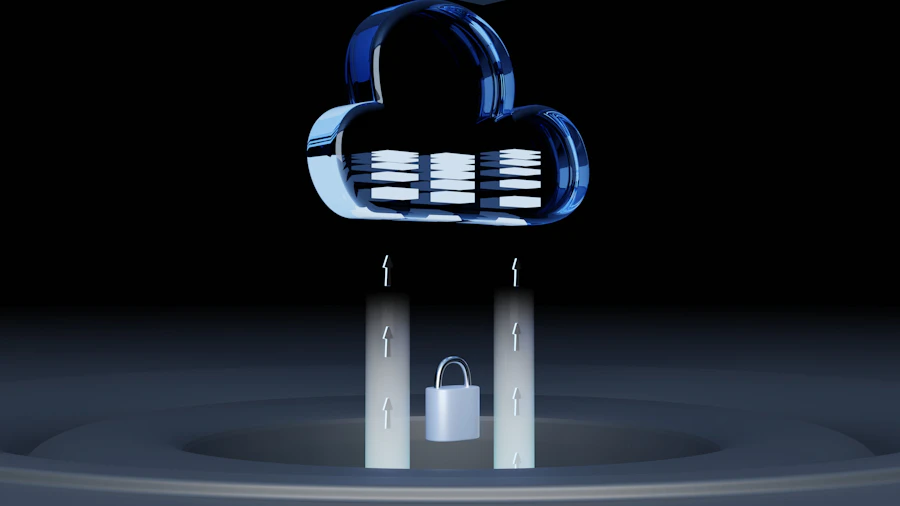
Issuance at provisioning, renewal before expiry, rotation after a security event, per-device revocation, and audit of every event — all through the same platform that manages remote access. No separate PKI required.

Cryptographic Device Identity
Every device gets a unique X.509 certificate backed by a private key that never leaves the hardware. Unlike shared API tokens, certificates bind identity to a specific physical device.

Compliance Built In
IEC 62443 SL2, NIST SP 800-213, NERC CIP, and the EU Cyber Resilience Act (full compliance December 2027) all mandate certificate-based device identity. SocketXP's mutual TLS satisfies these requirements out of the box.
One Command Issues a Device Certificate. No PKI Infrastructure Required.
SocketXP's cloud gateway includes a built-in PKI CA that issues and signs X.509 certificates for every device and operator in your fleet. A single command issues a signed certificate in seconds — no HashiCorp Vault cluster, no Microsoft ADCS, no OpenSSL scripts.

Device Server Certificates
A single command issues a certificate from SocketXP's built-in PKI CA, stored securely on the device and enabling mutual TLS on the management channel — with a validity period matched to your renewal cadence and security policy.

24-Hour Operator Credentials
User certificates expire automatically after 24 hours — no manual revocation needed. An operator who leaves today has no fleet access tomorrow.
Dedicated Mutual TLS Gateway
Every inbound client must present a valid CA-signed certificate or it is rejected at the TLS handshake, before any application data flows.
Cryptographic Device Identity That API Tokens Cannot Replicate
Standard TLS authenticates the server; SocketXP's mutual TLS gateway authenticates both sides. A decommissioned unit, counterfeit device, or cloned firmware image cannot connect without the certificate private-key pair unique to the original hardware — the bidirectional model required by IEC 62443 SL2 and NIST SP 800-213.


Bidirectional Certificate Authentication
The device verifies the gateway certificate; the gateway verifies the device certificate. Neither side can be impersonated without cryptographic proof of private key possession.

Per-Device Revocation With Zero Fleet Impact
Each device holds a unique certificate. Revoking one compromised device has no effect on any other — no mass rotation, no rolling restart, no fleet-wide disruption.

Zero Trust on Every Reconnection
Every management tunnel requires fresh cryptographic proof of identity on every reconnect, from every device. Lateral movement from a compromised device is blocked at the transport layer.
Compliance-Ready for IEC 62443, NIST SP 800-213, NERC CIP, and EU CRA
Satisfies the mutual authentication, unique device identity, and cryptographic credential requirements of IEC 62443 SL2, NIST SP 800-213, NERC CIP CPS, and the EU Cyber Resilience Act.
Automated Certificate Renewal, Rotation, and Provisioning Across Thousands of Devices
At 50 devices, tracking expiration in a spreadsheet is painful. At 5,000, a missed renewal is not a support ticket — it is a device offline event and a potential product recall. SocketXP automates the full certificate lifecycle: issuance at provisioning, threshold-triggered OTA renewal, on-demand rotation, and staggered expiration to eliminate fleet-wide outage risk.


OTA Certificate Renewal at Any Fleet Size
Push a renewal script to any device group via OTA. Devices within the threshold renew automatically; others exit early. No engineer touches a device. Scales to 50,000+ devices.

Zero-Touch Provisioning With Per-Device Certificate Issuance
A first-boot script issues a unique certificate on first network connection — whether the fleet is 10 devices or 100,000. No per-device manual steps, no changes to the provisioning workflow at any scale.

Staggered Expiration Eliminates Fleet-Wide Outage Risk
Randomized renewal jitter prevents batch-provisioned certificates from expiring on the same day, eliminating synchronized expiration as a failure mode.

Certificate Expiration Visibility Across Your Fleet
The SocketXP portal shows certificate status across every device — active, approaching expiration, or revoked. No manual inventory, no silent expiration events.

Built for Industrial, Medical, Energy, and Automotive IoT
Deployed in Industrial IoT (IEC 62443), Medical IoT (HIPAA), smart energy (NERC CIP), and automotive (ISO 21434) environments. One platform across all verticals.
Bring Your Own Certificate Authority — Connect Your Existing PKI
Enterprises with existing PKI can connect their own CA to SocketXP's self-hosted gateway — SocketXP's built-in PKI CA is optional. Supports air-gap, FIPS 140-2, and data residency mandates.

Connect Any X.509-Compliant Certificate Authority
Configure the self-hosted gateway against your existing CA chain — BastionXP PKI CA, HashiCorp Vault PKI, Microsoft ADCS, or any internal CA. SocketXP enforces mutual TLS; your CA owns issuance and revocation.
On-Premises for Air-Gap and FIPS Environments
Deploy the SocketXP gateway on your own infrastructure for full control over certificate storage and key material. No certificate data leaves your network.
Unified Device Identity Across All Authentication Layers
One CA hierarchy covers SocketXP tunnel authentication and application-layer mTLS — MQTT brokers, HTTPS APIs, OPC-UA servers, and databases. Consistent, auditable device identity across every layer.
IoT Certificate Management — Frequently Asked Questions
Common questions about X.509 certificate management, mTLS, PKI integration, compliance, and SocketXP's built-in CA.
What is IoT certificate management?
+How does IoT certificate management work step by step?
+What is the best IoT certificate management platform?
+How is SocketXP different from AWS IoT Core certificate management?
+Does SocketXP replace my existing PKI infrastructure?
+What happens when a device certificate expires?
+How do I rotate certificates across 10,000 devices?
+What is the difference between standard TLS and mutual TLS in SocketXP?
+Can I use my own CA with SocketXP (BYOCA)?
+How long are device server certificates valid?
+How is mTLS more secure than API token authentication for IoT?
+Does SocketXP help meet EU Cyber Resilience Act (CRA) requirements?
+Does SocketXP meet IEC 62443 or NIST SP 800-213 compliance requirements?
+How does zero-touch provisioning integrate with certificate issuance?
+What is an IoT PKI?
+How does IEC 62443 require certificate management for IoT devices?
+Can IoT devices use Let's Encrypt or ACME for certificate management?
+What Our Users Say
Hear from our satisfied customers about how SocketXP has transformed their IoT workflows with seamless connectivity, robust security, and unmatched reliability.